On September 25, Microsoft introduced a redesigned Copilot with three new areas. Home brings Chat and Cowork together. Code lets you build small apps in plain language. Autopilot is a persistent personal agent. The same announcement added FinOps for AI tools that help you set budgets, limits and spending policies.
This sets up this special ESPC edition of Polaris. Host Chris McNulty talks with Chris O’Brien, CTO at Advania UK and an 18-time Microsoft MVP, and Joanne Mangan, product and partner manager at ESPC.
ESPC26 runs November 30 to December 3 at RAI Amsterdam, less than two weeks after Microsoft Ignite.
Why the two weeks after Ignite matter
Joanne explains that the ESPC program team, made up of MVPs, reviewed more than a thousand session submissions this year. Microsoft announcements stay under embargo until Ignite, even for the organizers, so the team leaves room for sessions to change right up to the event. As she puts it, “you can’t get any more relevant and timely than literally two weeks after Ignite.”
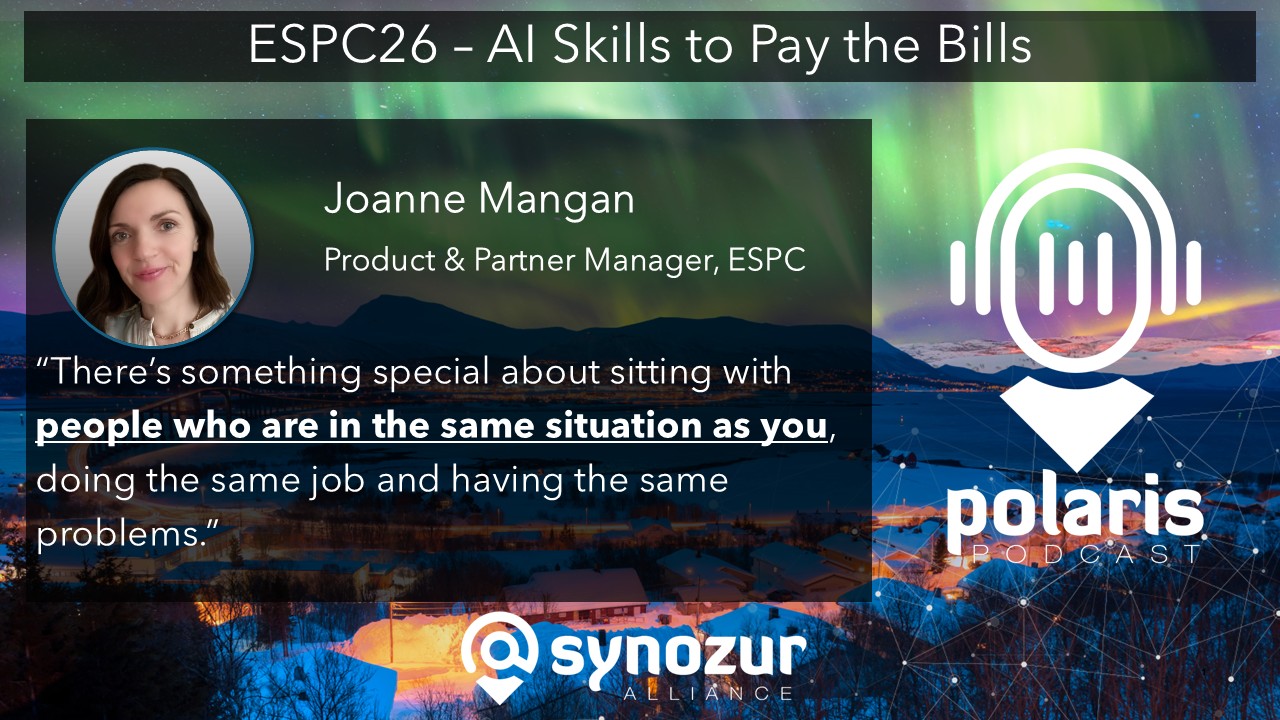
O’Brien, who serves on the program team, says every speaker uses that window to update content and demos. He also ran an AI analysis of the agenda and found 14 session titles that openly question how AI is being presented. ESPC delegates expect precision and detail, he says, and they will call out “markitecture” when they hear it.
Sovereignty means more than where data sits
For North American listeners, the European view of sovereignty is a useful contrast. O’Brien says many organizations now expect services that are “fully owned and managed and operated” under European jurisdiction. Keeping data in country is only the starting point. Workers’ councils in countries such as France and Germany add another layer, and O’Brien has seen organizations build a Copilot business case on employee satisfaction and retention instead of cost reduction.
The tokenomics question
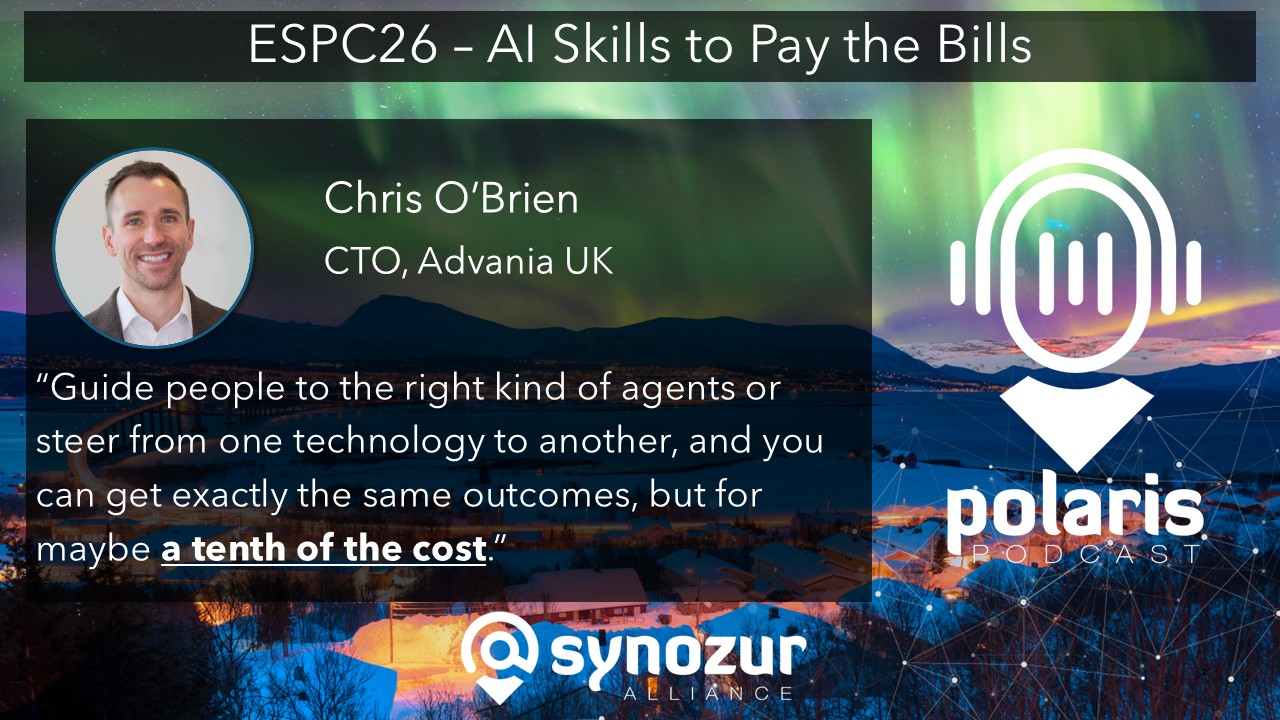
O’Brien’s ESPC26 session, Tokenomics: Controlling the Bill for M365 Copilot, Copilot Studio, and Foundry Agents, starts from what he hears from nearly every client: AI cost is now a high-priority agenda item, often at board level. He describes one client spending fifty to sixty thousand pounds a month on Claude without confidence in the return. His advice is to guide people to the right agents and models. Done well, “you can get exactly the same outcomes, but for maybe a tenth of the cost.”
Chris McNulty adds a lesson from his decade at Microsoft. The answer to “how much will this cost me?” should never be “turn it all on and we’ll discover it together.”
Where AI runs next
The conversation turns to local AI. With desk-side systems such as NVIDIA DGX Spark and more models running on laptops, O’Brien expects “not a decloudification, but definitely more diversification of where AI runs.” Some workloads will move to owned and managed GPU capacity, and others will run on the device.
Skills that reflect how your company works
O’Brien’s second session, Teaching Copilot Cowork about your Company, focuses on skills. At Advania, skills now support finance processes such as credit risk checks, month-end preparation and corporate reporting, calling external services through MCP connectors. Because skills are shareable, teams can publish them to a company catalog.
What’s new at ESPC26
Joanne describes the Innovation Hub, which returns with hands-on labs, lightning talks, a demo area and 12 new facilitated round tables for peer-to-peer learning. About 50 sponsors will be on the expo floor, and the Wednesday delegate party is at a waterfront venue she is keeping secret. Polaris listeners save €300 on ESPC26 tickets with the code POLARIS at espc.tech.
Europe leads on AI governance
After the interview, Synozur previews findings from Synozur’s Orion AI maturity model, which has supported more than 350 assessments. Average maturity rose 20 to 30 points over the past year. North American organizations remain slightly ahead overall, while European organizations lead on governance.
The episode closes with pop culture picks. O’Brien recommends the Theranos documentaries, including You Can See Everything. Joanne reflects on showing her daughter a box of old CDs and on keeping the human element in AI.
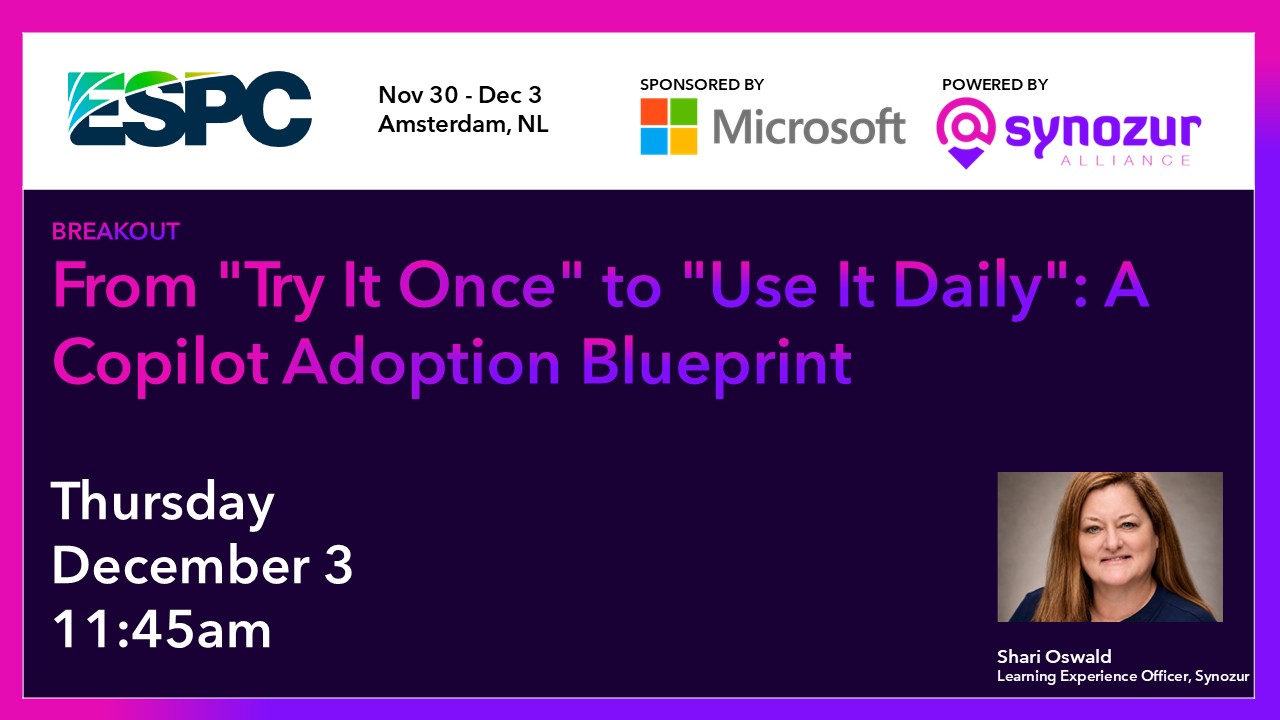
We can’t wait to see you in Amsterdam! Our own Shari Oswald will be presenting From "Try It Once" to "Use It Daily": A Copilot Adoption Blueprint, along with the rest of the best community in tech.
Listen to the full episode at polaris.synozur.com.
Polaris is available on Apple, Spotify, Amazon, YouTube or wherever you get your favorite podcasts. Thanks.