Building a strong brand is more than just a logo or a catchy slogan. It’s about creating a meaningful connection with your audience that drives trust, loyalty, and business growth. A well-crafted brand strategy planning process helps you define your unique value, communicate it clearly, and deliver consistent experiences that resonate with your customers. In this post, we’ll explore how to develop a winning brand strategy that aligns with your business goals and meets your clients’ needs with empathy and clarity.
Why Brand Strategy Planning Matters
Brand strategy planning is the foundation of every successful business. It shapes how your audience perceives you and influences their decisions. Without a clear strategy, your brand risks becoming inconsistent, forgettable, or disconnected from what your customers truly want.
A thoughtful brand strategy helps you:
Clarify your purpose and values so your messaging feels authentic.
Differentiate your business in a crowded market.
Build emotional connections that foster loyalty.
Guide marketing and communication efforts with consistency.
Drive measurable business outcomes like increased sales and customer retention.
For example, a company that understands its customers’ pain points and tailors its messaging accordingly will build trust faster than one using generic, one-size-fits-all language. This is why brand strategy development is a critical investment for any business aiming to grow sustainably.

Steps to Effective Brand Strategy Planning
Creating a brand strategy is a collaborative and iterative process. Here are practical steps to guide you through:
1. Understand Your Audience Deeply
Start by researching who your customers are, what they care about, and how they make decisions. Use surveys, interviews, and data analysis to gather insights. The more you know about their needs and challenges, the better you can tailor your brand messaging.
2. Define Your Brand Purpose and Values
What drives your business beyond profits? Your brand purpose should reflect a meaningful reason for existing that resonates with your audience. Values act as guiding principles for how you operate and communicate.
3. Craft Your Unique Value Proposition
Identify what makes your brand different and why customers should choose you. This should be clear, concise, and focused on benefits rather than features.
4. Develop Your Brand Voice and Messaging
Choose a tone and style that reflect your brand personality and connect with your audience. Consistency here builds recognition and trust.
5. Design Visual Identity Elements
Your logo, colors, typography, and imagery should all support your brand story and appeal to your target market.
6. Plan Your Brand Touchpoints
Map out where and how customers will interact with your brand - from your website and social media to packaging and customer service. Ensure every touchpoint delivers a consistent experience.
7. Measure and Refine
Track key performance indicators like brand awareness, engagement, and customer feedback. Use this data to continuously improve your strategy.
By following these steps, you create a brand that is not only memorable but also meaningful and effective.
What are the 5 Pillars of Brand Strategy?
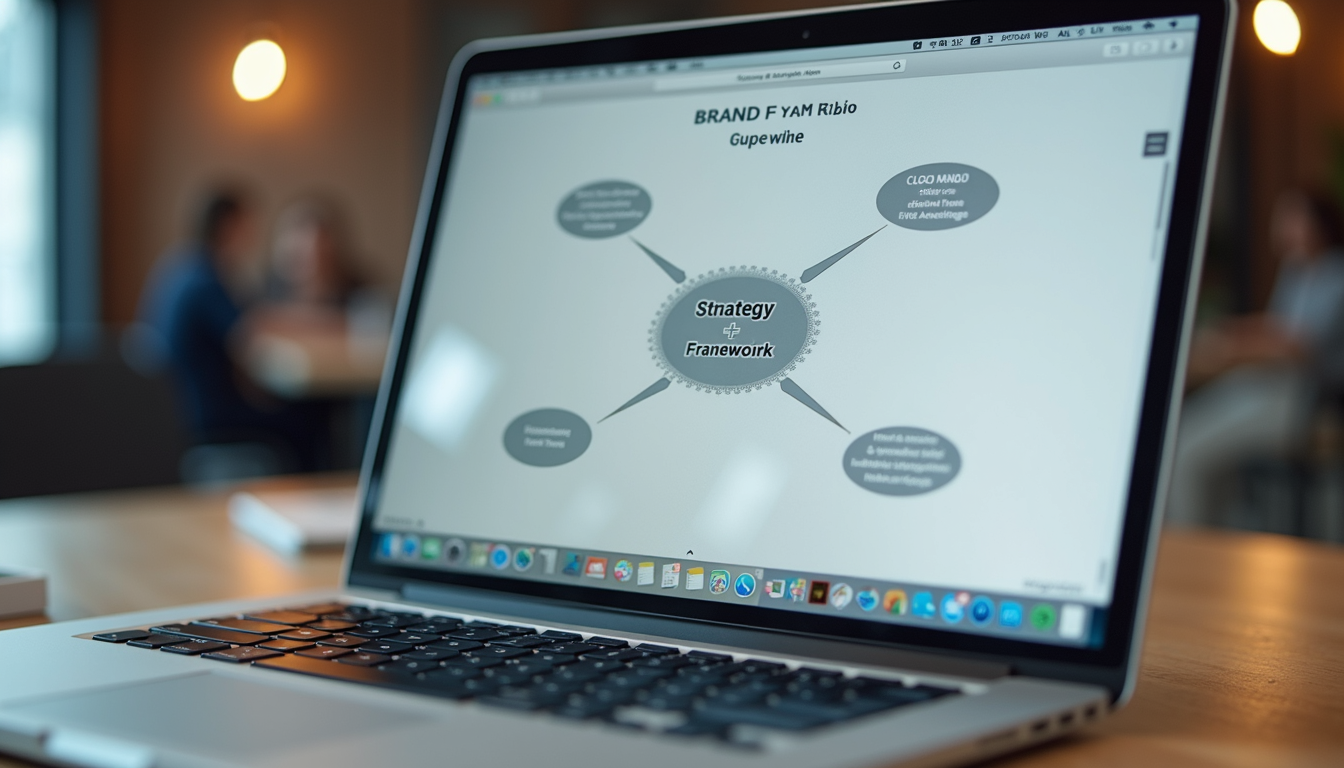
Understanding the core pillars of brand strategy helps you focus on the essential elements that drive success. These five pillars provide a framework for building a strong, cohesive brand:
1. Brand Purpose
This is the reason your brand exists beyond making money. It answers the question: Why do we do what we do? A clear purpose inspires both your team and your customers.
2. Brand Positioning
Positioning defines how your brand fits into the market and stands out from competitors. It’s about owning a unique space in your customers’ minds.
3. Brand Promise
Your brand promise is the commitment you make to your customers. It sets expectations for the experience and value they will receive.
4. Brand Personality
This pillar shapes the human traits your brand expresses. Whether professional, friendly, or innovative, your personality influences how people relate to you.
5. Brand Experience
Every interaction a customer has with your brand contributes to their overall perception. Delivering a consistent and positive experience is key to building loyalty.
Focusing on these pillars ensures your brand strategy is comprehensive and aligned with your business goals.
Tailoring Your Brand Strategy to Client Needs
At Synozur, we believe that no two brands are the same. That’s why we emphasize custom solutions over generic templates. Your brand strategy should reflect your unique story, challenges, and aspirations.
Here are some ways to tailor your approach:
Listen actively to client feedback and incorporate their insights.
Adapt messaging to different audience segments for relevance.
Use data-driven insights to refine targeting and positioning.
Collaborate closely with clients to ensure alignment and buy-in.
Focus on clear business outcomes like lead generation, conversion, or retention.
For example, a B2B tech company might prioritize demonstrating expertise and reliability, while a lifestyle brand may focus on emotional storytelling and community building. Both require different messaging and touchpoints but share the same goal of meaningful connection.

Bringing It All Together for Meaningful Results
Developing a winning brand strategy is a journey that requires empathy, clarity, and collaboration. By investing time in understanding your audience, defining your purpose, and delivering consistent experiences, you create a brand that stands out and drives real business value.
Remember, your brand is a living asset. It evolves with your customers and market trends. Regularly revisit your strategy to ensure it remains relevant and impactful.
If you’re ready to take your brand to the next level, consider partnering with experts who prioritize your unique needs and goals. Together, you can build a brand that not only looks good but also feels right and delivers measurable success.
Start your journey with brand strategy development that puts your clients first and creates lasting impact.