Understanding your customers is the cornerstone of any successful business. The customer journey process helps you visualize and optimize every interaction your customers have with your brand. When done right, it builds trust, enhances satisfaction, and drives meaningful business outcomes. This guide will walk you through mastering this process with empathy, clarity, and actionable insights.
Why the Customer Journey Process Matters
Every customer’s experience is unique, but patterns emerge when you map out their interactions. The customer journey process reveals these patterns, showing you where customers succeed, struggle, or drop off. This insight allows you to tailor solutions that meet their specific needs rather than offering generic fixes.
For example, a customer might discover your product through social media, research it on your website, contact support with questions, and finally make a purchase. Each step is an opportunity to build a stronger relationship. By understanding this process, you can:
Identify pain points and remove obstacles
Personalize communication and offers
Improve customer retention and loyalty
Align your team around a shared understanding of customer needs
This approach is not just about improving sales but about creating a partnership with your customers that fosters long-term success.

How to Build an Effective Customer Journey Process
Building a customer journey process requires a strategic, collaborative approach. Here’s a step-by-step method to get started:
Gather Customer Data
Collect quantitative and qualitative data from surveys, interviews, analytics, and customer feedback. This data forms the foundation of your journey map.
Define Customer Personas
Create detailed profiles representing your typical customers. Include demographics, goals, challenges, and behaviors.
Map Touchpoints
List every interaction customers have with your brand, from initial awareness to post-purchase support.
Identify Customer Emotions and Motivations
Understand how customers feel at each touchpoint and what drives their decisions.
Analyze Pain Points and Opportunities
Highlight where customers face difficulties and where you can add value.
Design Tailored Solutions
Develop strategies and improvements that address specific needs uncovered in the map.
Test and Iterate
Continuously refine your journey process based on feedback and changing customer behavior.
By following these steps, you create a living document that guides your team in delivering exceptional experiences.

What are the 5 Stages of the Customer Journey Map?
Understanding the five key stages helps you organize your customer journey process clearly:
Awareness
The customer realizes they have a need or problem. Marketing efforts should focus on visibility and education here.
Consideration
Customers research options and compare solutions. Providing clear, helpful information is critical.
Decision
The customer chooses your product or service. Simplify the buying process and offer reassurance.
Retention
After purchase, focus on customer satisfaction and support to encourage repeat business.
Advocacy
Satisfied customers become promoters, sharing positive experiences and driving referrals.
Each stage requires different strategies and messaging tailored to the customer’s mindset and needs.
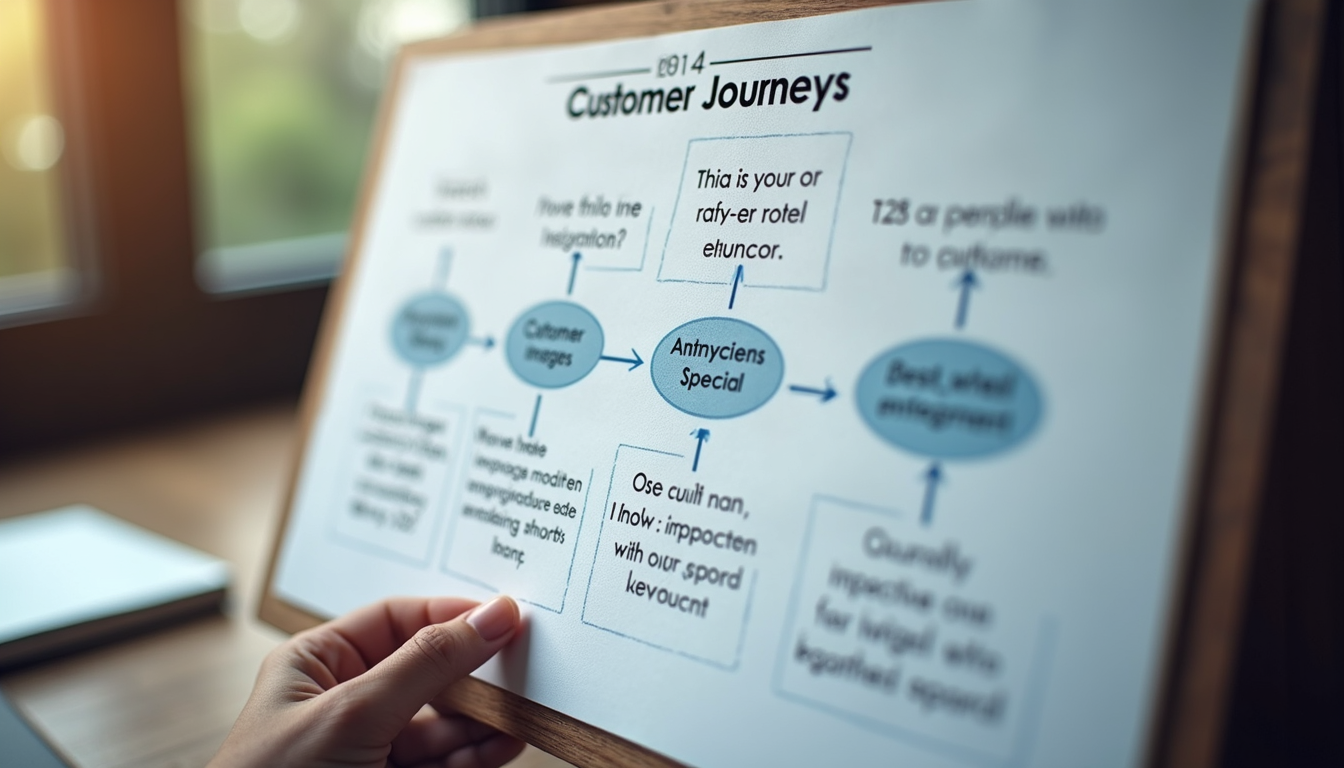
Integrating Customer Journey Mapping into Your Business Strategy
To truly master the customer journey process, integrate it into your broader business strategy. This means:
Aligning Teams
Ensure marketing, sales, customer service, and product development collaborate using the journey map as a shared reference.
Setting Clear Metrics
Define KPIs for each stage, such as conversion rates, customer satisfaction scores, and retention rates.
Leveraging Technology
Use CRM systems, analytics tools, and automation to track and enhance customer interactions.
Personalizing Experiences
Use insights from the journey map to deliver customized content, offers, and support.
Fostering Continuous Improvement
Regularly update your journey map to reflect new customer behaviors and market changes.
By embedding this process into your operations, you create a customer-centric culture that drives growth and loyalty.
Taking the Next Step with Customer Journey Mapping
Mastering the customer journey process is an ongoing journey itself. It requires empathy, attention to detail, and a commitment to partnership with your customers. If you want to deepen your understanding and create tailored solutions that truly resonate, consider exploring professional resources and services.
One valuable resource is customer journey mapping, which offers structured guidance and expert support to help you visualize and optimize every step your customers take.
By investing in this process, you’re not just improving customer experiences—you’re building a foundation for meaningful, lasting business success. Embrace the journey, and watch your relationships and results flourish.